Hiring a professional to build a business website is a significant milestone. Whether you run a startup, a small business, or a nonprofit, your website is often the first impression potential customers have of your brand. Getting this right matters.
But the hiring process can feel overwhelming. Where do you start? Should you hire a freelance web developer, a local studio, or a full-service web design agency? How much should you budget? What questions separate a skilled professional from someone who will waste your time and money?
This guide answers all of that.
Key Takeaways
Before you hire someone to build your website, define clear goals, a realistic budget, and a one-page project brief. This single step saves time and money throughout the entire process.
Understand the difference between a web designer (visual design and UX), a web developer (code and functionality), and a website development company (full-service strategy, design, development, and support). Each role serves a different need.
In 2026, freelance web developers typically charge $40 to $200+ per hour depending on experience, while agencies tend to charge $5,000 to $50,000+ for advanced projects. Always compare proposals line by line.
Ask thoughtful questions about process, ownership, post-launch support, and communication before signing anything. A detailed written contract should define the project scope and ownership clearly.
If you need a hire web developer near me in Virginia, Washington DC, Maryland, New York, Gainesville, Manassas, Reston, or Baltimore, consider working with an experienced local web development company like ImageDPI Graphics for personalized service.
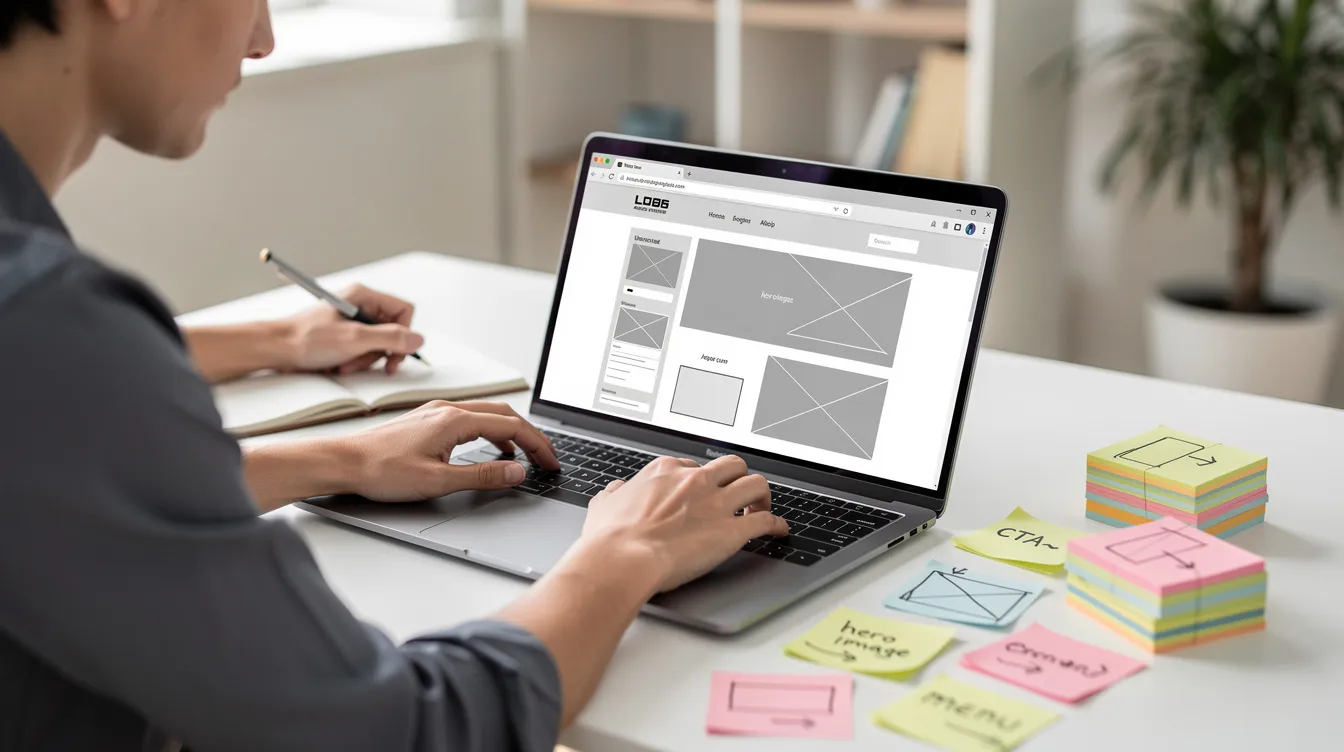
Understanding Your Website Needs Before You Hire
The very first step in how to hire someone to build a website is defining clear goals before you talk to any freelance web developer or web design agency. Defining project scope and goals before hiring a web designer is essential. Without this clarity, you risk scope creep, wasted budget, and a final product that misses the mark.
Start by identifying website goals such as e commerce or lead generation. Common goals for a small business in 2026 include:
Lead generation through contact forms and landing pages
Online store for selling products with payments and shipping
Appointment booking for service-based local businesses
Portfolio or nonprofit donations page
SaaS product signups with user dashboards
Pick one primary goal and one or two secondary goals. Then map out the features you need: blog, online payments, memberships, multi-language support, or integrations with CRM and email marketing tools. For deeper planning, check out this resource on custom website design for small business.
Your goals also determine the type of build. A basic website for a local service company is very different from ecommerce website development or a complex web application. Establishing a budget range early helps professionals recommend suitable solutions that fit your needs.
Create a one-page project brief with bullet points covering your goals, target audience, must-have features, nice-to-have features, two or three example sites you admire, and a rough timeline. A skilled designer transforms ideas into functional websites, but only if those ideas are clearly communicated from the start.
Web Developer vs Web Designer vs Web Development Company
Understanding roles helps you decide whether to hire a web developer, hire a web designer, or hire a full website development company. Each brings different skills to the table.
A web designer focuses on layout, branding, UX, and visual design. They create mockups and wireframes using tools like Figma or Adobe XD, shaping typography, color palettes, and navigation flow. Some designers also specialize in platforms like WordPress or Webflow. To learn more about what designers bring to a project, read things every web designer should know.
A web developer handles code, functionality, integrations, databases, and performance. A frontend developer builds what users see, a backend developer manages servers and data, and a full stack developer covers both. Common stacks include React, Node.js, Python, and WordPress/PHP. Good developers should ask about business goals and target audiences before they write a single line of code.
A website development company or web design agency combines strategy, UX/UI, content, development, SEO, and ongoing support. Agencies provide a team approach with structured processes, which makes them ideal for complex or long-term projects. If you want help evaluating this option, here is a guide on how to choose a web design company.
Quick hiring guideline: For a small project or tight budget, a freelance web designer or freelance web developer can deliver well. For larger scope, ecommerce, or long-term growth, consider hiring web development services from an agency like ImageDPI web design services.
Deciding Between Freelance Developer, Local Studio, or Web Design Agency
Choosing between a freelance web developer, local web developers, or a full-service web development company depends on your budget, timeline, and project complexity.
Freelancers offer flexibility and often lower costs than agencies. You get direct communication and faster decisions. However, freelancers have limited capacity. If they get sick or overbooked, your project stalls. Platforms like Upwork and Toptal make finding freelancers easier, but you still need to vet carefully.
Local web developers and small studios provide personalized service and market understanding. If you value in-person meetings and want someone who understands your local market in Virginia, Washington DC, or Maryland, this option builds trust quickly. You can find local professionals through web design services in Virginia or by searching the ImageDPI Google Business Profile.
Web design agencies and website development companies offer the broadest range of services: strategy, design, development, QA, SEO, and ongoing maintenance. Agencies usually have more resources and experience than freelancers, making them best for startups, ecommerce stores, and organizations that need a strategic long-term partner.
Here is a simple decision framework:
Factor | Freelancer | Local Studio | Agency |
|---|---|---|---|
Budget | Under $5,000 | $3,000 – $15,000 | $5,000 – $50,000+ |
Best for | Basic website, small project | Local businesses needing collaboration | Ecommerce, startups, complex builds |
Ongoing support | Limited | Moderate | Comprehensive |
Referrals from colleagues are a reliable way to find designers and developers in any of these categories. If you want local collaboration in cities like Alexandria, Reston, Baltimore, or Manassas, consider an agency like ImageDPI Graphics. |

Where to Find and Hire Someone to Build Your Website
Now the practical search begins. How do you actually find the right person or team to build a website for your business?
Start locally. Search Google Maps for phrases like “hire web developer Virginia” or “web designer near me.” Local professionals often appear in map packs and local directories. For businesses in the DC metro area, explore web design services in Washington DC.
Freelance platforms like Upwork and Fiverr offer diverse talent at various price points. Filter by client reviews, hourly rate, technical skills, and country. These platforms work well when you have a clearly scoped small project and want to compare multiple candidates quickly.
For specialized needs, consider tech talent networks. Specialized marketplaces like Toptal connect startups with top-tier developers in React, WordPress, Shopify, and other stacks. If you need to hire a React developer, WordPress developer, or Shopify developer for ecommerce or a custom web application, these networks pre-vet candidates.
Industry directories like Clutch or DesignRush let you shortlist a website development company near me, then cross-check with case studies, testimonials, and independent ratings.
Scoping Your Project, Budget, and Technology Choices
This planning step directly influences how much it costs to hire a web developer and which platform they should use. Establishing a realistic budget is important when hiring a web designer or developer for any project.
Translate your goals into a concrete scope:
Number of pages and content sections
Content creation or migration needs
Ecommerce features (product listings, cart, payments)
Integrations (CRM, email, scheduling)
Custom design work vs. template-based
SEO setup and analytics
Discussing SEO and performance features is important during project scoping. For a deeper look at planning, visit web design goals and objectives.
Platform comparison for 2026:
Platform | Best For | Typical Use Case |
|---|---|---|
WordPress | Flexible content sites, blogs | Small business website, nonprofits |
Shopify / WooCommerce | Ecommerce | Online store with payments |
Webflow | Design-heavy marketing sites | Portfolio, landing pages |
Custom (React / Node.js) | Web applications | SaaS, complex dashboards |
Budget ranges for 2026 (US-based): |
Basic brochure site (5-10 pages): $2,000 – $8,000
Mid-level custom website: $5,000 – $20,000
Ecommerce or custom website development: $8,000 – $40,000+
A small project with a freelance web developer may take 2 to 4 weeks. Custom website development with a team might take 8 to 16 weeks, depending on feedback speed and content readiness.
How Much Does It Cost to Hire a Web Developer in 2026?
This is the question every small business owner asks first. The honest answer: it depends on your scope, the professional’s experience, and whether you choose a freelancer or agency.
Hourly rates for US-based web developers in 2026:
Experience Level | Hourly Rate |
|---|---|
Junior (0-2 years) | $40 – $65 |
Mid-level (3-5 years) | $75 – $125 |
Senior / Specialist | $100 – $200+ |
Freelancers often charge between $500 to $5,000 for basic websites. Agencies typically charge $5,000 to $50,000 for advanced projects, with ecommerce-focused agencies ranging from $100 to $300+ per hour. |
Common pricing models include:
Hourly rates for exploratory or evolving scope
Fixed-price projects when deliverables are clear
Monthly retainers for ongoing website development and support
Getting advice from experienced business owners can help set expectations around what is realistic at each price point. Be cautious about the cheapest option. Extremely low quotes, lack of a contract, or no portfolio are red flags. To understand the difference between saving money and cutting corners, read affordable web design vs cheap web design.
Always request a detailed website development cost estimate with line items for design, development, content, SEO, hosting, and ongoing maintenance. This makes it easier to compare proposals fairly and avoid surprises.
Evaluating Candidates: Portfolio, Skills, and Communication
After you find candidates, the next step in how to hire a web developer is evaluating three areas: real-world work, technical skills, and communication skills.
Portfolio review: Reviewing portfolios carefully can reveal a web designer’s suitability for your needs. Check portfolios to ensure the designer’s style matches your vision. Portfolio reviews should assess mobile responsiveness and site navigation. It’s necessary to review live websites built by designers for performance evaluation, not just screenshots. Shortlisting 3 to 5 web designer candidates is a recommended practice. For more portfolio tips, visit how to find a good website designer.
Technical skills to evaluate:
HTML5, CSS3, JavaScript fundamentals
Platform expertise (WordPress, React, Shopify)
Responsive design and accessibility
SEO fundamentals and performance optimization
Experience in your niche is crucial for effective design
A well designed website increases user engagement and trust. Look for case studies that show measurable results, not just visually appealing screenshots.
Communication assessment: Good communication skills are essential in a web designer or developer. During discovery calls, notice whether they ask smart questions, explain technical expertise in plain language, respond promptly, and document agreements. A professional who can communicate effectively reduces risk more than any single technology choice.
Ask for 2 to 3 references from previous clients and check their experience with deadlines, problem-solving, and post-launch support.
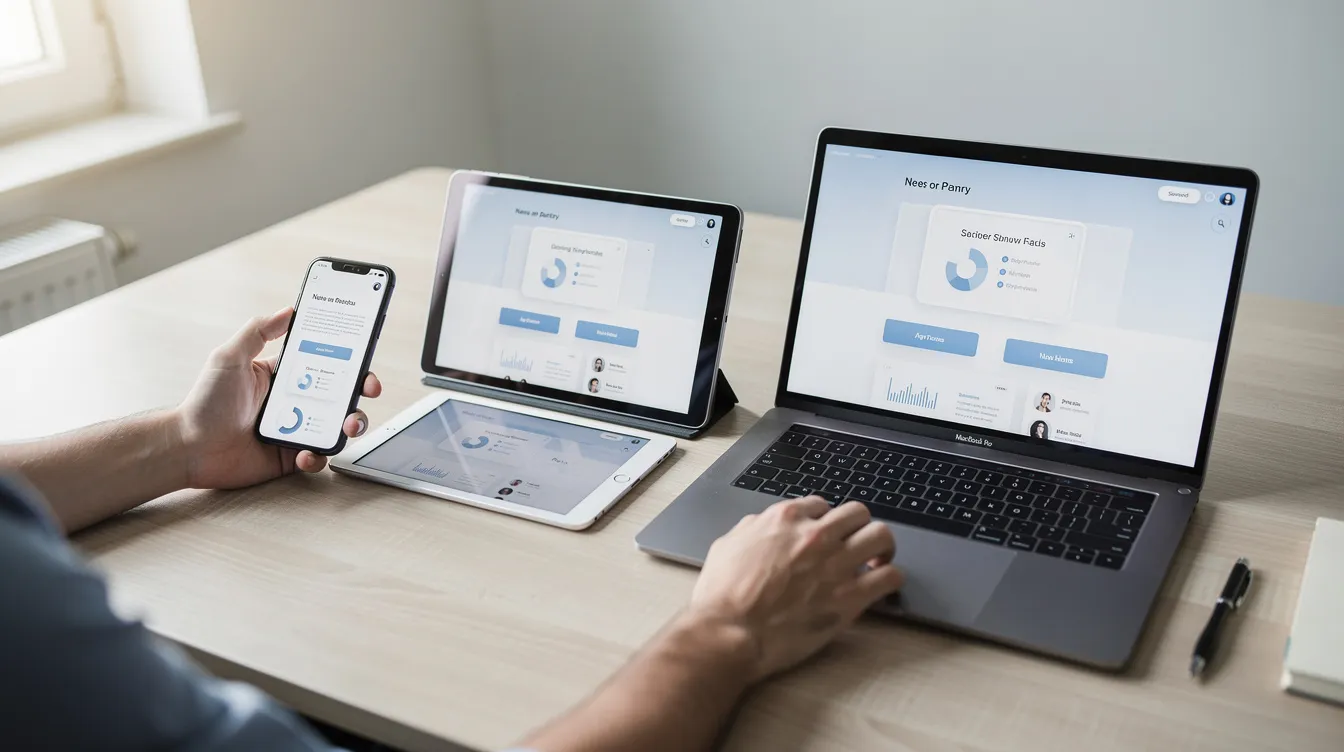
Questions to Ask When Hiring a Web Developer or Web Design Company
Think of this as your practical checklist for discovery calls. Asking candidates about their design process during interviews is crucial. A web developer should understand your project requirements thoroughly before any work begins.
Process questions:
What is your workflow from discovery to design to development to launch?
How many revision rounds are included?
How do you handle content migration and testing?
Scope questions:
What is included (design, copywriting, SEO, analytics, training)?
What is excluded and charged separately?
How do you handle scope changes mid-project?
Niche-specific questions:
For ecommerce: “How do you secure transactions and handle payment integrations?”
For startups: “How do you support rapid iteration for an MVP?”
For nonprofits: “Do you have experience with donation platforms and accessibility compliance?”
Ownership and support questions:
Do I own the code, designs, and database after launch?
How do backups and security updates work?
What does your ongoing maintenance plan look like, and what does it cost?
These thoughtful questions help you identify the right person or team before you commit money or time.
Contracts, Timelines, and Managing the Website Development Process
Once you choose a developer or agency, the focus shifts to project management. Clear communication helps avoid missed deadlines and frustration. Effective communication can make or break a project.
A solid contract should include:
Detailed scope and sitemap
Technologies and platforms used
Responsibilities on both sides
Milestone-based payment schedule
Revision policy and limits
Intellectual property ownership
Termination clauses
Confirming ownership of website code and assets is essential in contracts. A detailed written contract should define the project scope and ownership so there are no surprises.
Typical website development timeline:
Phase | Duration |
|---|---|
Discovery and strategy | 1 – 2 weeks |
UX and design | 2 – 4 weeks |
Development | 2 – 6 weeks |
Content and testing | 1 – 2 weeks |
Launch and QA | 1 week |
Regular check-ins help catch issues early in the project. Good communication fosters a productive working relationship. Use weekly meetings, shared project boards, and written approvals to keep everyone on the same page. |
For scope changes, always use formal change requests with updated quotes and revised timelines. Casual verbal agreements lead to confusion and missed deadlines.
SEO, Mobile Responsiveness, and Long-Term Maintenance
Hiring a web developer is not only about launch day. In today’s digital landscape, your investment needs protection through SEO, responsive design, and ongoing maintenance.
SEO essentials your hire should handle:
Clean, semantic code
Fast loading times
On-page optimization (meta tags, headings, alt text)
Basic technical SEO (sitemap, robots.txt, structured data)
For a deeper dive, read SEO-friendly web design: what you need to know.
Mobile-friendly web development is mandatory. With most traffic coming from mobile devices, responsive layouts are not optional. Check every candidate’s previous projects on a phone before signing a contract.
Websites require ongoing updates and security patches. 80% of consumers think less of a business if its website isn’t up to date. Regular updates keep your website competitive and functional as your business grows.
Typical maintenance includes:
Software and plugin updates
Security patches and backups
Uptime monitoring
Small content updates and performance tuning
A solid post-launch support plan eases website management. Discuss post-launch support terms before finalizing agreements, and treat maintenance as part of the web development project cost, not an optional extra.
Common Hiring Mistakes and Red Flags to Avoid
Even smart business owners make avoidable mistakes when they hire a web developer or hire a web designer for the first time. Here is what to watch for.
Classic mistakes:
Choosing only on price without reviewing portfolio or references
Skipping the written contract entirely
Giving vague requirements and expecting the developer to read your mind
Expecting instant results with zero client involvement
Underestimating website content as a major dependency
Red flags in proposals and calls:
Promises of overnight SEO success or ranking guarantees
Refusal to give you access to hosting, domain, or analytics
No documented process or timeline
Pressure to pay 100% upfront before any work begins
Dismissive or rushed communication during discovery
Misalignment between design style and brand identity causes expensive rework. Before you hire, share example sites you love and confirm the developer’s aesthetic matches your vision. For more on this, read how custom web design boosts your brand identity.
Walk away politely if communication feels confusing, dismissive, or rushed. That behavior usually gets worse once the project starts. Your dream website deserves a professional who respects your time and your business online presence.
Putting It All Together: A Simple Hiring Checklist
Here is your step-by-step checklist for how to hire someone to build a website:
Define goals and budget for your new website
Choose your model: freelancer, local studio, or agency
Create a one-page project brief with goals, audience, features, examples, and timeline
Research and shortlist 3 to 5 candidates through search engines, platforms, referrals, or directories
Hold discovery calls and ask the questions from this guide
Compare proposals line by line (design, development, content, SEO, hosting, maintenance)
Check references from previous clients
Sign a detailed contract covering scope, ownership, milestones, and payments
Manage the build with regular check-ins and written approvals
Plan ongoing maintenance and post-launch support
Bookmark this checklist before you contact any web development services or web design agency. It keeps you in control during every negotiation.
If you are a business owner in Virginia, Washington DC, Maryland, New York, Gainesville, Reston, Manassas, or Baltimore, consider requesting a quote from ImageDPI’s web design services. Their team offers custom solutions for local businesses, startups, and organizations that need impactful results.
A well-chosen professional web developer or design company is a long-term partner in your growth, not just a one-time vendor.

Frequently Asked Questions about Hiring Someone to Build a Website
How do I hire a web developer?
Hiring a web developer involves several key steps to ensure you find the right professional for your project. Start by defining your project requirements and goals, including whether you need a custom website development, e-commerce platform, or web application.
You can find qualified developers through multiple channels:
- Local web design agencies in your area (search for “web development services near you” or “web developers near me“)
- Freelance platforms like Upwork, Fiverr, and Toptal
- Professional networks and referrals
- Web development companies specializing in your industry
When evaluating candidates, review their portfolios, past client work, and relevant technical skills. Conduct interviews asking about their experience with similar projects, communication style, and project management approach. It’s essential to choose a web design company or developer that aligns with your budget and timeline expectations.
Pro tip: Consider whether you need a professional web design agency versus a freelance web developer – agencies offer more comprehensive services and ongoing support.
What should I ask when hiring a web developer?
Asking the right questions helps you evaluate if a web developer is the right fit for your project. Here are essential questions to ask:
Technical & Experience Questions:
- What technologies and programming languages do you specialize in (React, Node.js, WordPress, etc.)?
- Can you share examples of websites you’ve built in your portfolio?
- Do you have experience developing websites similar to what we need?
- Are you familiar with SEO-friendly web design and best practices?
- Can you implement responsive website design for mobile and desktop?
Process & Management Questions:
- How do you approach the website development process?
- What’s your project timeline and when can you start?
- How frequently will you communicate with me during development?
- Do you provide ongoing maintenance and support after launch?
Cost & Agreement Questions:
- What’s your pricing structure (hourly, fixed project, retainer)?
- What’s included in your web development services?
- Do you handle website hosting and domain management?
- Are there additional costs for revisions or modifications?
Support & Post-Launch:
- Will you provide post-launch support and updates?
- How do you handle bug fixes and technical issues?
- Do you offer website maintenance services?
Related: Learn more about what to expect from a web developer and the complete web design process.
How to vet a web developer?
Vetting a web developer thoroughly before hiring is crucial to ensuring quality work. Follow these steps:
Review Their Portfolio & Work History:
- Examine their design portfolio and past website projects in detail
- Check if they’ve built websites in your industry or niche
- Look at the quality of design, functionality, and user experience of their work
- Understand how to evaluate a design portfolio
Assess Technical Skills:
- Verify they understand responsive web design and mobile optimization
- Confirm knowledge of SEO-friendly web design practices
- Check if they’re familiar with UX/UI design principles
- Verify they use modern web development tools and frameworks
Check References & Reviews:
- Ask for client references and contact them directly
- Read online reviews and testimonials
- Check their rating on freelance platforms
- Look for case studies showing successful projects
Test Communication & Professionalism:
- Note how responsive and clear their initial communication is
- Observe if they ask clarifying questions about your project
- Assess their professionalism and attention to detail
- Evaluate if they provide detailed project proposals
Verify Experience:
- Confirm they have experience with projects similar to yours
- Ask about their experience with specific platforms (WordPress, custom development, etc.)
- Check how many years of experience they have
- Verify their technical certifications if relevant
Pro tip: Choose from among professional web design companies for added credibility and accountability.
What does a web developer cost?
Web developer costs vary significantly based on multiple factors. Understanding pricing helps you budget for web development appropriately.
Pricing Factors That Affect Cost:
Project Type & Complexity:
- Simple websites (5-10 pages): $2,000 – $8,000
- Mid-range websites (10-20 pages): $8,000 – $25,000
- Complex custom web applications: $25,000 – $100,000+
- E-commerce websites: $5,000 – $50,000+ depending on features
- Custom website development typically costs more than template-based solutions
Geographic Location:
- Web developers near you (local rates): varies by region
- US-based developers: typically $75-$150+ per hour
- Offshore developers: $10-$50 per hour
- Web development companies: $100-$300+ per hour or fixed project rates
Developer Experience Level:
- Junior developers: $20-$50/hour
- Mid-level developers: $50-$100/hour
- Senior/expert developers: $100-$250+/hour
- Web design agencies: premium rates but comprehensive services
Engagement Type:
- Hourly rates: $20-$250+ depending on experience
- Fixed project pricing: agreed-upon rate for complete project
- Retainer/ongoing: monthly fee for continuous support
Learn the difference between affordable web design vs. cheap web design to make informed decisions.
Pro tip: Don’t choose based solely on cost—factor in quality, experience, and long-term value. A professional web design company may cost more upfront but provide better results and support.
How long does it take to build a website?
The website development timeline depends on several factors. Here’s what to expect:
Typical Project Timelines:
Simple Websites (5-10 pages):
- Timeline: 4-8 weeks
- Includes: Basic design, standard features, minimal customization
- Best for: Small businesses, landing pages, portfolios
Mid-Range Websites (10-20 pages):
- Timeline: 8-16 weeks
- Includes: Custom design, multiple features, e-commerce capabilities
- Best for: Small to medium businesses
Complex Websites & Web Applications:
- Timeline: 4-6 months or longer
- Includes: Advanced features, integrations, custom functionality
- Best for: Enterprise applications, complex platforms
E-Commerce Websites:
- Timeline: 8-20 weeks
- Depends on: Product catalog size, payment integration, inventory management
- Custom e-commerce solutions take longer than templates
Factors That Affect Development Time:
- Project Scope & Complexity
- Number of pages and features
- Custom functionality requirements
- Integration needs (payment systems, CRM, APIs)
- Design & Customization
- Whether using templates or custom website design
- Number of design revisions
- Responsive website design requirements
- Content Preparation
- How quickly you provide website content
- Professional copywriting needs
- Image/media requirements
- Client Communication & Decision-Making
- Speed of approval and feedback
- Number of revision rounds
- Scope changes during development
- Technical Requirements
- SEO optimization implementation
- Third-party integrations
- Performance optimization
Pro tip: A professional web design agency will provide a detailed project timeline and milestone schedule during the proposal phase. Building a website typically involves: discovery/planning (1-2 weeks) → design (2-4 weeks) → development (4-12 weeks) → testing & launch (1-2 weeks).
How much should I budget for web development?
Creating a realistic web development budget ensures you can afford quality work while avoiding scope creep. Here’s how to budget:
Budget Allocation Guide:
For Small Businesses:
- Minimum budget: $3,000 – $5,000
- Recommended budget: $8,000 – $15,000
- Includes: Custom design, 10-15 pages, basic features, hosting
For Mid-Size Businesses:
- Minimum budget: $15,000 – $25,000
- Recommended budget: $25,000 – $50,000
- Includes: Custom website development, 20+ pages, e-commerce, integrations
For Enterprise/Complex Projects:
- Budget: $50,000 – $200,000+
- Includes: Web applications, complex features, extensive integrations
Budget Breakdown by Component:
| Component | Percentage | Details |
|---|---|---|
| Design & Planning | 15-20% | Strategy, wireframes, design |
| Development | 40-50% | Coding and implementation |
| Content | 10-15% | Copywriting, images, media |
| Features & Functionality | 15-20% | Custom features, integrations |
| Testing & QA | 5-10% | Quality assurance, debugging |
| Hosting & Maintenance | 5-10% | First year hosting and support |
Additional Costs to Consider:
- SEO optimization: $1,000 – $5,000 (learn about SEO-friendly web design)
- Ongoing maintenance: $200-$1,000/month
- Hosting: $50-$500/month depending on needs
- SSL certificate: $0-$300/year
- Domain registration: $10-$20/year
- Content management system setup: included or additional cost
Budget Tips:
✓ Get multiple quotes from different developers/agencies
✓ Understand what’s included in each quote
✓ Choose a web design company that offers transparent pricing
✓ Plan for ongoing maintenance and updates
✓ Factor in post-launch support and revisions
✓ Consider responsive website design costs upfront rather than later
Pro tip: Affordable web design services don’t mean low quality—work with professionals who provide good value within your budget.
What's the difference between web developer and web designer?
Many people confuse web developers and web designers, but they have distinct roles and skill sets. Understanding the difference helps you hire the right professional for your needs.
Web Designer:
- Primary Focus: Visual design and user experience
- Responsibilities:
- Create website layout and visual appearance
- Design user interface (UI) and user experience (UX)
- Choose color schemes, typography, and visual elements
- Create mockups and wireframes
- Ensure responsive design across devices
- Optimize visual branding
- Skills Required:
- Adobe Creative Suite (Photoshop, XD, Figma)
- UX/UI design principles
- Understanding of responsive website design
- Design thinking and creativity
- Knowledge of web standards
- Output: Design files, prototypes, visual guidelines
Related: Understand the differences between graphic design and web design
Web Developer:
- Primary Focus: Building and coding websites
- Responsibilities:
- Write code to build functionality
- Implement responsive website design into code
- Build interactive features and animations
- Connect databases and backend systems
- Ensure website performance and speed
- Implement SEO during development
- Debug and test code
- Handle website maintenance and updates
- Skills Required:
- Programming languages (HTML, CSS, JavaScript, Python, PHP, etc.)
- Backend development frameworks
- Database management
- SEO-friendly coding
- Testing and debugging
- Web hosting and deployment
- Output: Functional, live websites
Full-Stack Professional:
Some professionals combine both roles:
- Full-stack designers/developers handle both design and development
- Design-to-development specialists bridge the gap
- Web design companies typically employ both
Which Do You Need?
- Website redesign or new build: Both designers and developers
- Design consultation only: Web designer
- Code an existing design: Web developer
- Complete project: Full-service web design agency
Pro tip: For best results, hire professional web design services that include both design and development expertise, or ensure your web developer and web designer communicate effectively.
How do I find a reliable web developer?
Finding a reliable web developer requires research and vetting. Here’s a comprehensive approach:
Finding Methods:
1. Search Online
- Search for “web developers near me“ or “web design company near me“
- Look for local web design agencies in your area
- Check web design services in your city
- Use Google search and review sites
2. Professional Networks & Referrals
- Ask business contacts for referrals
- Check LinkedIn for developers with strong profiles
- Join local business networking groups
- Attend industry events
3. Freelance Platforms
- Upwork, Fiverr, Toptal, PeoplePerHour
- Filter by ratings and reviews
- Review portfolio and work history
4. Portfolio & Website Review
- Check how to build a design portfolio to understand what to look for
- Review the developer’s own website—it reflects their skills
- Evaluate quality of past projects
Reliability Red Flags:
❌ No portfolio or work samples
❌ Poor communication or response time
❌ Unclear pricing or contracts
❌ No references available
❌ Overly cheap pricing with no explanation
❌ Unwilling to discuss timeline or process
❌ No post-launch support offered
Reliability Green Flags:
✅ Professional website and clear pricing
✅ Comprehensive portfolio with diverse projects
✅ Positive client reviews and testimonials
✅ Willing to provide references
✅ Clear project timeline and deliverables
✅ Responsive communication and professional approach
✅ Offers maintenance and support services
✅ Member of professional organizations
Verification Steps:
- Check references – contact previous clients directly
- Review portfolios – examine 5-10 recent projects
- Ask about methodology – inquire about their development process
- Discuss support – understand post-launch maintenance
- Get everything in writing – clear contracts and agreements
- Start small – consider a smaller project first if uncertain
Pro tip: You don’t need a detective to find a professional web design company—look for established web design agencies with proven track records and multiple client testimonials.
What should I expect from a web developer?
Knowing what to expect from a web developer helps you set realistic expectations and ensure quality deliverables.
During Initial Consultation:
✓ In-depth discovery meeting to understand your goals and requirements
✓ Website goals and objectives discussion
✓ Questions about your target audience, budget, and timeline
✓ Project proposal outlining scope, timeline, and cost
✓ Understanding web design goals and how they align with your business
During Planning Phase:
✓ Detailed project timeline with clear milestones
✓ Wireframes and mockups showing website structure
✓ Design concepts for your approval
✓ Responsive design planning for all devices
✓ Regular communication and updates
During Development:
✓ Clean, professional code following industry standards
✓ Regular progress updates (weekly or as agreed)
✓ Version control and backup systems
✓ SEO implementation from the start
✓ Responsive testing across devices and browsers
✓ Performance optimization for speed
Quality Standards:
✓ Mobile-friendly and responsive design across all devices
✓ Fast loading times and optimized performance
✓ Browser compatibility testing
✓ Accessibility compliance (WCAG standards)
✓ Security best practices implementation
✓ Proper documentation of code and processes
✓ Backup systems and disaster recovery
Before Launch:
✓ Thorough testing of all features and functionality
✓ Bug fixing and quality assurance
✓ Final approval process with your feedback
✓ Deployment planning to live server
✓ Launch support to ensure everything works
Post-Launch Support:
✓ Initial support period (typically 30-90 days)
✓ Bug fixes for issues discovered after launch
✓ Ongoing maintenance options and costs
✓ Training on content management if applicable
✓ Post-launch support documentation
Communication Standards:
✓ Clear, regular communication throughout the project
✓ Prompt responses to your questions and concerns
✓ Progress reports and status updates
✓ Transparent about challenges and timeline changes
✓ Professional tone in all communications
Red Flags – What to Avoid:
❌ Disappearing or poor communication
❌ Missing project milestones without explanation
❌ Refusing to show work-in-progress updates
❌ No testing or quality assurance
❌ Ignoring your feedback or requirements
❌ Rushing launch without proper preparation
❌ No post-launch support offered
❌ Unclear about final deliverables
Pro tip: Work with a professional web design company that provides clear service level agreements outlining exactly what you can expect and when.
Should I hire freelance or agency for web development?
Deciding between a freelance web developer and a web design agency depends on your specific needs, budget, and project complexity. Here’s a detailed comparison:
FREELANCE WEB DEVELOPER
Advantages:
✅ Lower hourly rates ($20-$100/hour typically)
✅ Flexible arrangements and schedules
✅ Direct communication with the developer
✅ Personalized attention to your project
✅ Good for smaller projects or budgets
✅ Faster decision-making
✅ Cost-effective for simple websites
Disadvantages:
❌ Limited availability if they get busy
❌ No backup if they get sick or leave
❌ Fewer skill sets in one person
❌ No legal protection or accountability guarantees
❌ Variable quality depending on individual
❌ Limited post-launch support
❌ Higher risk if project stalls
❌ May lack professional project management
Best For:
- Small projects under $10,000
- Simple websites or content updates
- Tight budgets
- Projects where you want direct developer contact
- Experienced clients who can manage projects
- Custom website design on a budget
WEB DESIGN AGENCY
Advantages:
✅ Team of experts (designers, developers, SEO specialists)
✅ Professional project management and accountability
✅ Comprehensive services (design, development, SEO)
✅ Guaranteed support and backup if someone is unavailable
✅ Quality assurance and testing processes
✅ Ongoing maintenance and support options
✅ Portfolio of proven work and case studies
✅ Legal contracts and protection
✅ Better for complex projects
✅ Professional communication and reporting
✅ Scalable solutions as your business grows
Disadvantages:
❌ Higher costs ($100-$300+/hour or fixed projects)
❌ Less direct developer contact (go through project manager)
❌ Longer approval processes and decision-making
❌ Minimum project requirements may apply
❌ Less personal touch than freelancers
❌ May use standardized processes vs. custom approach
Best For:
- Larger, complex projects requiring multiple skill sets
- E-commerce websites needing comprehensive support
- Businesses wanting ongoing maintenance and support
- Projects requiring specialized expertise (SEO, security, etc.)
- Companies needing professional accountability and contracts
- Enterprise or mission-critical websites
- Long-term web design services relationships
- Professional web design companies with proven track records
COMPARISON CHART
| Factor | Freelancer | Agency |
|---|---|---|
| Cost | Lower ($20-$100/hr) | Higher ($100-$300+/hr) |
| Timeline | Varies | Predictable |
| Communication | Direct | Through PM |
| Team Support | Single person | Multiple experts |
| Post-Launch Support | Limited | Comprehensive |
| Project Management | Minimal | Professional |
| Quality Assurance | Variable | Consistent |
| Scalability | Limited | High |
| Legal Protection | Basic | Full contracts |
| Portfolio Depth | Varying | Extensive |
Hybrid Approach:
Consider a hybrid model:
- Use a freelance web developer for initial development
- Partner with an agency for ongoing maintenance and updates
- Hire specialized freelancers for specific tasks (SEO, security, etc.)
How to Decide:
Choose a Freelancer if:
- Your project is small and straightforward
- Your budget is limited ($2,000-$10,000)
- You need quick turnaround
- You’re comfortable managing the project yourself
- The developer has proven relevant experience
Choose an Agency if:
- Your project is complex and large ($15,000+)
- You need comprehensive services beyond coding
- You want ongoing maintenance and support
- You need professional accountability and contracts
- You want proven expertise across multiple disciplines
- You value peace of mind and guaranteed support
Pro tip: Research web design companies in your area and compare their services and pricing with freelance options. Sometimes a professional web design agency provides better long-term value despite higher initial costs.


